When temperatures begin to drop in the Washington, DC area, you start thinking about sweaters, fireplaces, and thicker blankets. However, preparing for seasonal weather involves more than changing your wardrobe and adjusting the thermostat. Your home may be losing heat from hidden drafts. Air leaks can compromise your home’s energy efficiency and leave rooms feeling cold, even when the heating system is running. Home upgrades like energy-efficient windows and doors can help. Additionally, following the tips in this draft detection guide can make the difference between a cozy winter and a cold, drafty home.
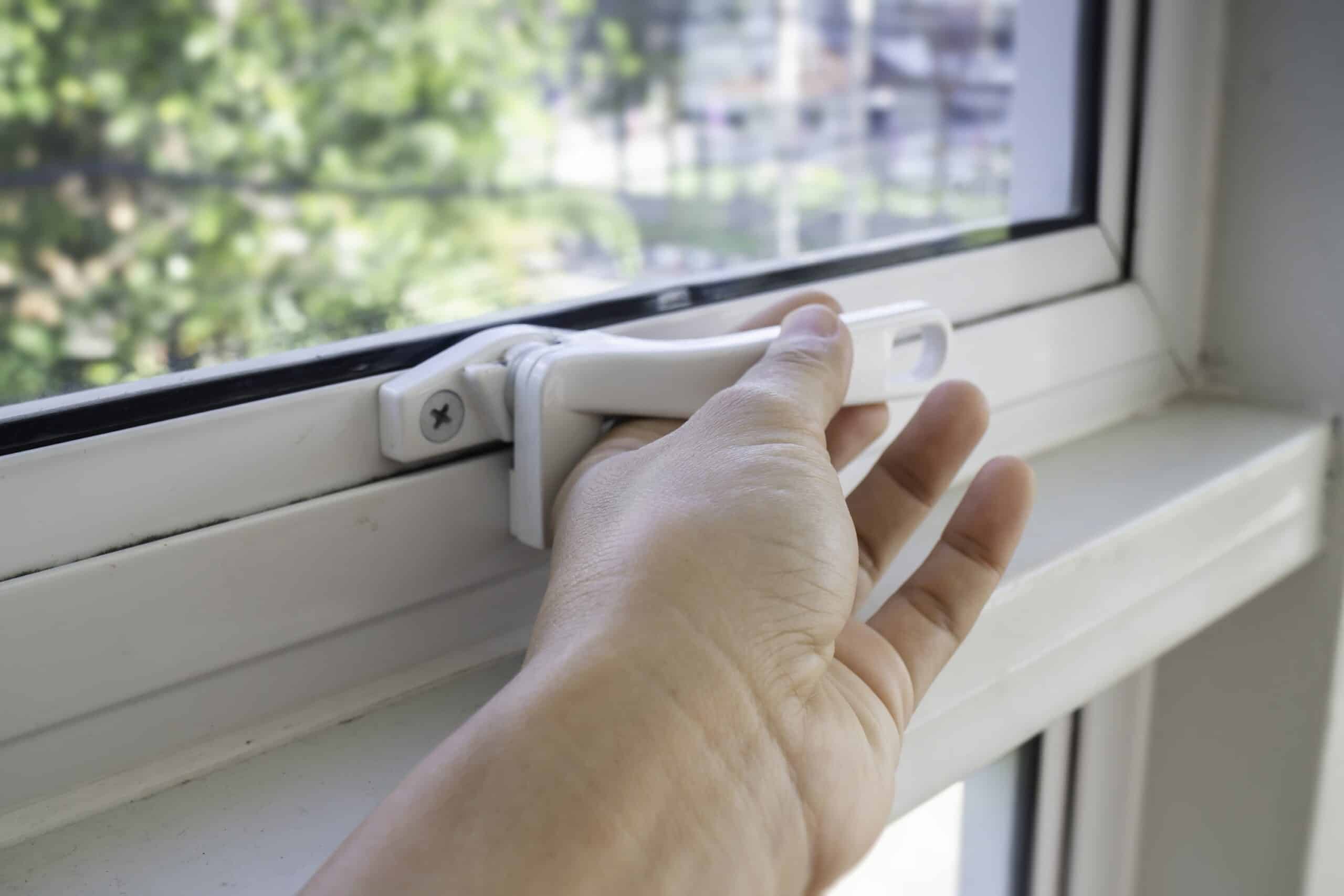
Draft detection matters because heating efficiency depends on keeping heated air indoors. Even the highest efficiency HVAC system cannot compensate for a structure that leaks air. When warm air escapes, replacement air must enter, creating a constant infiltration of cold air from outside. The result is uneven room temperatures, long furnace cycles, and unnecessarily high utility bills. This is especially noticeable during winter nights when temperatures drop quickly.
Homes with window and door drafts often experience accelerated equipment wear. The system must cycle frequently to keep up with temperature changes, and system startup puts the most stress on the components. Over time, unnecessary runtime can shorten the lifespan of heating and cooling equipment. Draft testing and remediation protect your HVAC systems as much as they protect household comfort. Following these winter prep tips provides tangible financial benefits, making it one of the most effective steps you can take.
Drafts rarely appear in the middle of walls because insulation blocks most airflow. Instead, leaks will appear at seams, corners, and transitional points between materials. Window frames are one of the most common locations because wood, vinyl, or aluminum can contract and expand over time, loosening seals. Exterior door frames also shift during seasonal changes, leaving gaps under thresholds or at the sides. Frequent opening and closing can also wear away the weatherstripping.
Chimneys, attic access panels, and recessed lighting can also allow cold exterior air to enter your home. Even electrical outlets on exterior walls may leak air if the wall insulation behind them has settled or deteriorated. Pipe penetrations beneath sinks can create small but continuous airflow movement. Since these locations do not always show visible cracks, you might not notice them until you feel a cold breeze from them. Understanding where draft locations typically form is the first step toward effective detection.
Learning how to find drafts does not always require professional tools. You can perform most detection methods with everyday household items. The goal is not only to sense moving air but also to confirm where leaks originate.
The candle or incense test works by visually detecting airflow movement. Walk slowly along windows, doors, and wall seams with a lit candle or burning incense. You can watch the flame or smoke for movement, which signals a hidden draft. If it leans or flickers sharply at any point, air is moving through a leak. It is one of the oldest and most reliable methods of identifying unwanted airflow.
A simple hand test uses your innate temperature sensitivity to find leaks. On a cold day, slowly move your hand along the edges of the windows and door seams. If the area feels noticeably cooler, outside air is entering the space. Wetting the back of the hand increases temperature sensitivity, making detection easier.
A thermal leak detector is a handheld device that detects temperature differences along surfaces. When passed along window sashes or wall seams, the device shows a change whenever the temperature shifts suddenly. Many homeowners invest in these small devices because they provide clear confirmation of invisible leaks.
The flashlight method requires two people and works best in a dark interior. One person stands outside and holds a flashlight on the edges of windows or doors. If any light passes through to the inside, the gap is large enough to allow air to pass through as well. It is one of the most definitive methods when you need visual confirmation of the leak’s precise location.
Once you identify leaks, the next step is sealing them. The success of winter preparation depends on addressing drafts promptly and permanently.
Weatherstripping works by sealing movable joints without restricting operation. You can add new weatherstripping to window sashes, door frames, and attic access points. Modern products include adhesive foam, vinyl strips, and rubber door bottoms that reduce airflow and help regulate temperatures. Proper installation noticeably improves your indoor comfort.
Caulking stops leaks in stationary areas. Gaps in trim, siding transitions, and window exteriors will benefit from fresh caulk application. Older caulking dries out, cracks, or pulls away from surfaces, creating an entry point for cold air. Removing deteriorated material and applying new exterior-grade caulk restores the seal, preventing further heat loss.
Your windows and doors themselves can transfer heat. You might not notice a draft, but the nearby area will feel colder. Replacing windows and doors with more energy-efficient models provides long-term protection against leaks. Modern insulated glass, tighter frames, and low-E coatings reduce energy transfer year-round. If you have aging wooden-framed windows or metal-framed doors, window and door replacement often will save more money than continuous patch repairs.
Quality Window & Door serves the greater DC area and many cities across Virginia and Maryland. We offer expert solutions that deliver lasting comfort and improved energy savings. Our team provides professional leak evaluation, guidance on repair options, and full installation of high-efficiency window and door systems. If testing reveals that temporary sealing is not enough, upgrading your home’s openings will eliminate ongoing heat loss and reduce winter heating costs. Whether you need help identifying drafts or are ready for a full replacement project, contact us today.
You can detect leaks by feeling for cool air movement near window frames, performing a candle test, or using a thermal detector. If the curtains move on windy days or condensation forms between the panes, the windows are probably leaking.
Most drafty doors improve right away with fresh weatherstripping and a properly installed door sweep along the bottom. If the frame has warped or the door no longer closes easily, replacement may be the most effective choice.
Repair is appropriate when you have limited issues, like worn caulk or gaps around the frame. However, if windows are single-pane, have broken seals, or are no longer structurally sound, replacement windows offer better long-term energy and comfort performance.
Sealing leaks can reduce energy waste by 10 to 20 percent, depending on your home’s condition. Full replacement of outdated windows and doors can yield even greater savings through year-round thermal improvements.
Installation from the Quality Window & Door team
Watch our team install this thermally broken aluminum bi-folding door system from Euro-Wall.
























 Tell us
about your project
Tell us
about your project